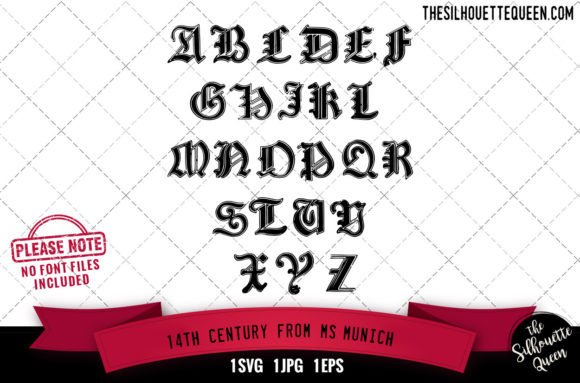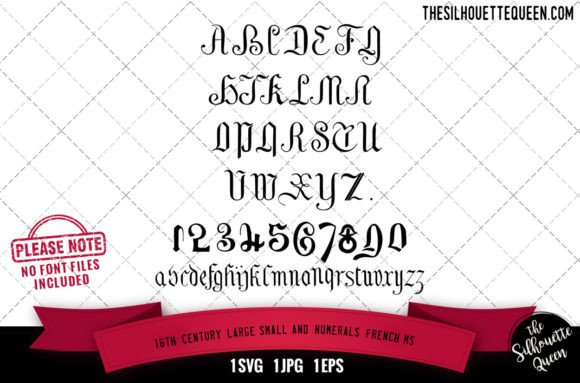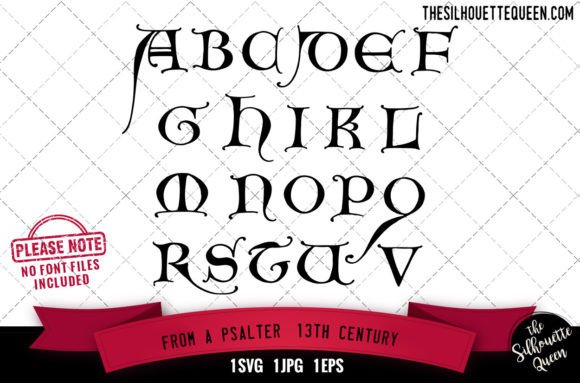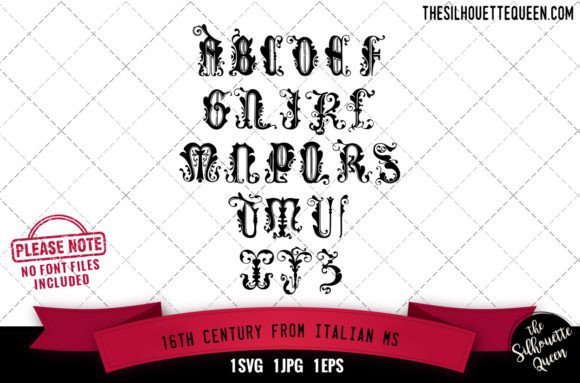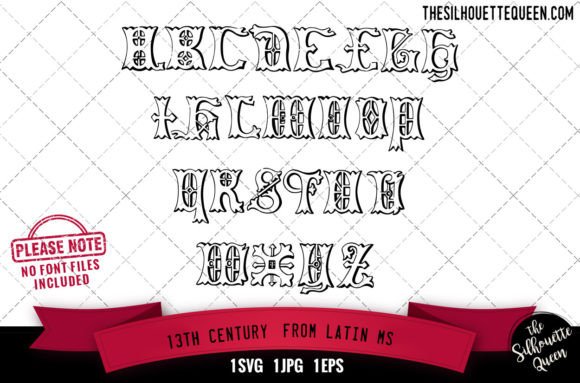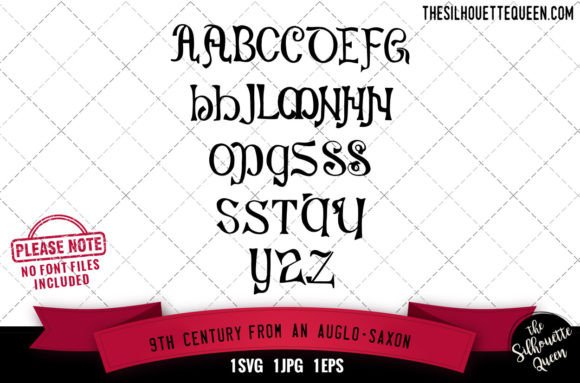
9th Century.from an Auglo-Saxon Graphics and Crafts Review
When I first opened the files for 9th Century.from an Auglo-Saxon, I immediately thought of a local artisan bakery that wanted to tell a story of heritage. The design does not feel like a generic template; it carries a distinct weight, suggesting a brand personality that is rustic yet elegant, organic, and deeply rooted in history. For a small business owner looking to elevate their product packaging or create promotional materials that stand out on a crowded shelf, this graphic design asset offers a unique visual hierarchy that commands attention without shouting.
Setting the Mood for Local Brand Identity
The initial impression of 9th Century.from an Auglo-Saxon is one of timeless craftsmanship. It evokes a mood that is perfect for handmade businesses, boutique stores, and food brands that prioritize authenticity over mass production. If you are running a candle shop, a skincare line using natural ingredients, or a florist with a vintage aesthetic, this asset provides the decorative flourishes needed to establish a strong emotional connection with your customers. It feels premium and sophisticated, making it ideal for enhancing brand identity where a touch of historical elegance is desired.
This design element works exceptionally well when paired with serif fonts to create a cohesive look, but it can also contrast beautifully against modern sans-serif typography to create a "new meets old" vibe. Whether you are designing a logo design for a new startup or creating marketing visuals for an established local business, the asset brings a level of polish that suggests trust and quality.
Practical Applications for Packaging and Labels
In my experience reviewing design assets for real-world projects, versatility is key. 9th Century.from an Auglo-Saxon excels in physical applications. Imagine placing this illustration on the neck label of a craft beer bottle, wrapping it around a jar of homemade honey, or using it as a decorative border on a thank-you card included in a subscription box. It transforms simple product labels into branded experiences.
- Product Mockups: Use the vector version to wrap designs around 3D bottles, boxes, or bags to visualize how the final product will look before printing.
- Hang Tags and Stickers: The intricate details hold up well on hang tags for clothing boutiques or stickers placed on the bottom of jars.
- Packaging Accents: Incorporate it as a background texture for menus, price lists, or flyer inserts to add depth to editorial design.
- Seasonal Campaigns: Perfect for holiday-specific packaging, such as Christmas gift boxes or Easter egg wrappers, adding a festive yet classic touch.
The ability to scale this asset ensures it remains sharp whether used for a large storefront banner or a tiny ingredient-heavy layout. However, designers must be strategic about placement to ensure the decoration does not compete with essential text.
Strategic Placement and Visual Hierarchy
While this graphic design asset is powerful, it requires careful consideration regarding where it sits within a composition. It should be used as a hero graphic or a decorative brand element rather than the primary vehicle for information. For instance, it might overwhelm a legal information area or get lost if printed too small on a crowded product label.
I recommend avoiding its use in formal corporate branding where minimalism is preferred, or for luxury minimalist brands that rely on negative space. In these contexts, the ornate nature of 9th Century.from an Auglo-Saxon could distract from the sleek message. Instead, focus on using it to frame important content, such as the company name on a business card or the header of a social media graphic. This approach maintains a clear visual hierarchy, ensuring that your customer's eye is drawn to the most critical information first.
For social media managers and creative entrepreneurs, this asset can serve as a consistent visual anchor across platforms. Using it in website banners or promotional ads helps build recognition, turning a simple post into a branded piece of content that feels professional and curated.
Technical Considerations for Commercial Design
From a technical standpoint, the package includes 1 EPS file, 1 PNG file, and 1 SVG file, which covers almost every need for a commercial design project. The inclusion of an SVG file is particularly valuable for web design and responsive layouts, allowing for crisp rendering on any screen size. The EPS file ensures high-quality print output for physical products, while the PNG file is ready for quick social media graphics or digital presentations.
However, please note that no font files are included. This means you must source your own typography to complement the design. When testing this asset, I advise previewing it alongside various font styles—script, handwritten, display, and serif—to find the perfect harmony. Always check the black and white usage to ensure the design retains its integrity when printed without color. Additionally, inspect the PNG transparency to confirm there are no jagged edges or unwanted artifacts that could ruin a professional presentation.
Essential Checks Before Launching Your Brand
Before integrating 9th Century.from an Auglo-Saxon into a client's branding or your own product sales, there are several practical steps to take. First, test it on real packaging mockups. Seeing the design on a digital render is different from seeing it on actual cardboard or glass. Check the print quality at the intended size to ensure the fine details do not blur.
Compare it with competitor packaging to see how it stands out. Does it fit the niche? Is it too similar to existing market leaders, or does it offer a fresh perspective? Verify the commercial license explicitly to ensure you are allowed to use it for physical product sales and client work. This step is crucial for protecting your business from potential legal issues.
Finally, consider the context of your specific industry. For a children's product brand, this asset might feel too serious, whereas for a home decor shop or a food label focusing on heritage recipes, it is a perfect match. By treating this design asset as a foundational piece of your brand identity, you can create a more polished marketing presence that resonates with your audience.
Final Thoughts on Creative Marketplace Assets
Ultimately, 9th Century.from an Auglo-Saxon is more than just a clipart or illustration; it is a tool for building trust and professionalism. Whether you are a handmade seller looking to upgrade your packaging design or a marketer seeking stronger emotional connection through visual storytelling, this asset delivers. It supports better product recognition and improved customer trust by elevating the perceived value of your goods.
By understanding its strengths and limitations, you can leverage this graphic design asset to create memorable brand experiences. From the first impression on a shelf to the final click on a social media ad, the right design choice makes all the difference. With the right combination of this asset and thoughtful typography, your local business can achieve a level of polish that rivals national brands.