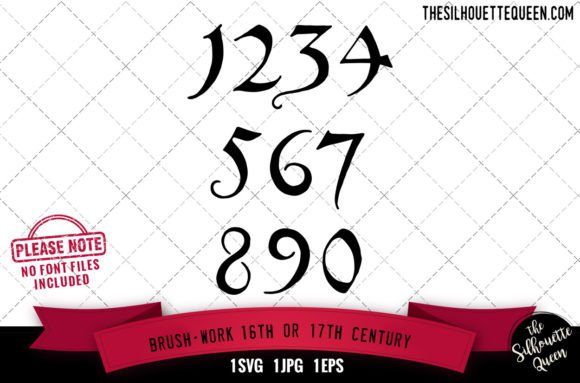
Brush-Work 16th or 17th Century Graphics for Crafts
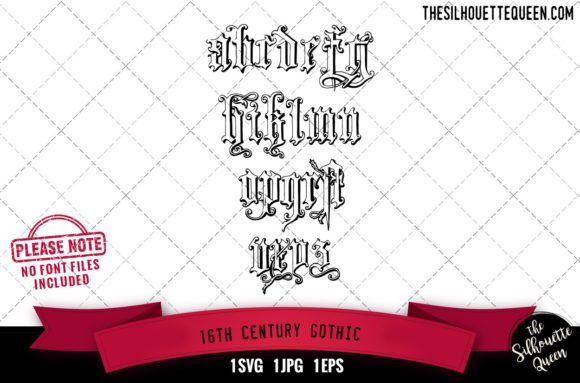
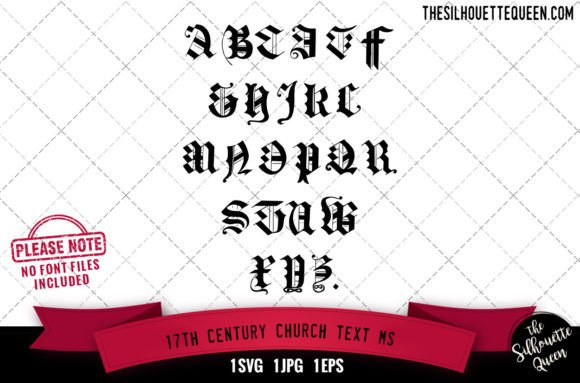
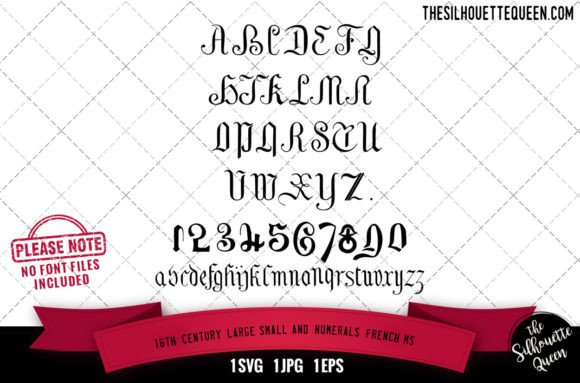
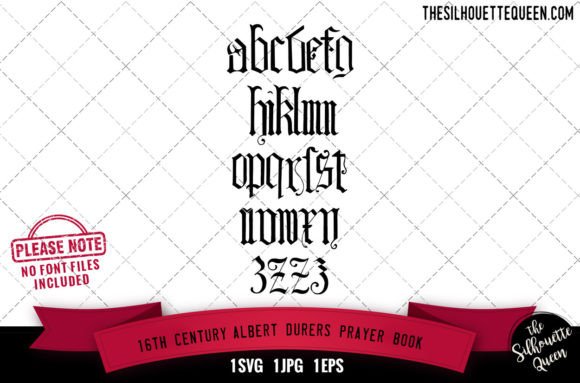
I recently pulled Brush-Work 16th or 17th Century into my design workflow to prepare a new seasonal collection for my Etsy shop. As someone who spends hours cutting vinyl, setting up sublimation files, and managing customer orders, I need more than just a pretty image; I need a reliable graphic design asset that holds up under the pressure of production. My first impression was immediate: this isn't a modern, flat vector style. It carries a distinct historical weight, evoking the elegance of an antique manuscript or a vintage botanical illustration. The mood is sophisticated, rustic, and deeply premium, which suggests it will attract buyers looking for heirloom-quality handmade products rather than mass-produced novelties.
The file package is straightforward and practical for any crafter. It includes 1 EPS file, 1 PNG file, and 1 SVG file, though please note no font files are included. This separation is actually a relief for designers who prefer to source their own typography to ensure perfect kerning and licensing compliance. For my upcoming batch of custom mugs and tote bags, having these specific formats meant I could jump straight into Cricut Design Space and Silhouette Studio without wrestling with conversion errors.
Fitting the Aesthetic into Real Product Lines
When I placed Brush-Work 16th or 17th Century onto a mockup for a ceramic tumbler wrap, the result felt cohesive and timeless. The brush strokes have enough texture to look hand-painted but maintain the clean edges required for vinyl cutting. This makes it ideal for a variety of crafts, from large cut files for wall decor to smaller decorative accents on gift tags. If you are building a small business branding kit, this asset works beautifully as a logo element or a watermark for your printable designs.
I envision this design fitting perfectly into a "Cozy Library" theme for planner stickers or a "Heritage Home" collection for greeting cards. The intricate lines suggest a feminine yet bold personality that appeals to customers who appreciate artisanal details. Whether you are creating sublimation designs for tumblers or crafting vinyl decals for laptops, the historical flair adds a layer of storytelling that generic clipart simply cannot match. It elevates a standard product into something that feels curated and special.
Technical Workflow for Cricut and Silhouette Users
For those of us running a print-on-demand service or a home-based craft fair operation, the technical integrity of the file is paramount. I opened the SVG file in my cutting software immediately to check the line paths. The vector lines were surprisingly clean, which is rare for brush-style assets that often come with jagged edges or unnecessary anchor points. This meant I didn't have to spend time cleaning up the nodes before sending it to the machine. However, because the design features fine brushwork, I had to be careful with my material settings.
While the asset is versatile, there are places where it should be used carefully. Very small cutting details might get lost if you try to use this on tiny sticker sizes or intricate jewelry tags. Thin lines can sometimes break during the weeding process, especially if you are using thin vinyl like HTV (Heat Transfer Vinyl) for t-shirt designs. In these crowded compositions, the design benefits from being paired with ample negative space. If you plan to use this for layered vinyl projects, ensure you have a high-resolution printer or a precision cutter to handle the delicate curves.
Optimizing for Print and Sublimation
The inclusion of a high-quality PNG file was a lifesaver for my printable wall art project. When testing the resolution for sublimation design on mugs, the image held its detail well, even when scaled up. The transparency worked seamlessly, allowing me to place the brush-work over textured backgrounds without ugly white boxes. This is crucial for creating product mockups that look realistic to potential buyers on your online store.
I also tested the EPS file in Adobe Illustrator to see how it would perform on large format prints for craft fair banners. The scalability was impressive, maintaining the artistic integrity of the strokes whether it was printed on a business card or a large poster. For handmade packaging, this graphic design asset can serve as a beautiful background pattern for thank-you cards or product labels. Just remember to test colors before printing, as the digital RGB values might shift slightly when converted to CMYK for professional printing.
Strategic Pairing and Layout Tips
To truly make Brush-Work 16th or 17th Century shine, the typography you choose matters immensely. I found that pairing this historic brush style with a classic serif font created a balanced, academic look perfect for book lovers or history enthusiasts. Conversely, combining it with a handwritten script font added a touch of personal warmth suitable for wedding favors or baby shower decorations. Avoid using overly modern sans-serif fonts unless you are aiming for a stark, contemporary contrast, which can sometimes clash with the organic nature of the brush strokes.
If you are designing a seasonal craft bundle, consider simplifying the layout. Sometimes less is more, especially for items like party decorations where the design needs to be readable from a distance. Placing the asset on real mockups before finalizing your listing images helps you spot issues like low-contrast colors that might disappear on dark-colored products. Always resize your design elements to fit the specific dimensions of your product, ensuring that the brush-work doesn't get cropped awkwardly on the edge of a mug or a tote bag.
Commercial Considerations for Sellers
As a creator selling physical goods, the commercial license is non-negotiable. Before using this asset for customer orders or handmade business products, confirm the terms of use provided by the creative marketplace. While the design is excellent for commercial design purposes, some licenses restrict reselling the digital file itself. Ensure you understand what you can do with the finished product versus the raw asset.
This design bundle offers immense value for creative entrepreneurs looking to diversify their inventory. It bridges the gap between digital downloads and physical goods, making it a staple for anyone producing digital products or physical merchandise. By understanding the strengths and limitations of Brush-Work 16th or 17th Century, you can integrate it into your workflow with confidence, knowing it will support your brand's growth and meet the high standards of discerning crafters and collectors alike.