German Arabesque Alphabets - ABC Letters Review
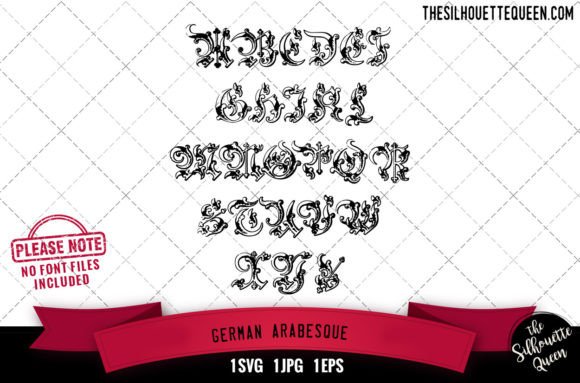
When I first opened the folder for German Arabesque Alphabets - ABC Letters, I didn't just see a set of graphics; I saw a specific kind of mood. As someone who has spent years testing embroidery files for real-world client work, my first instinct is to look past the pretty preview and ask: how will this actually hold up on fabric? This design file brings a distinct, ornate character that feels rooted in heritage craftsmanship. It isn't just a standard font; it carries the weight of tradition, making it perfect for projects that need to feel established, elegant, or deeply personal.
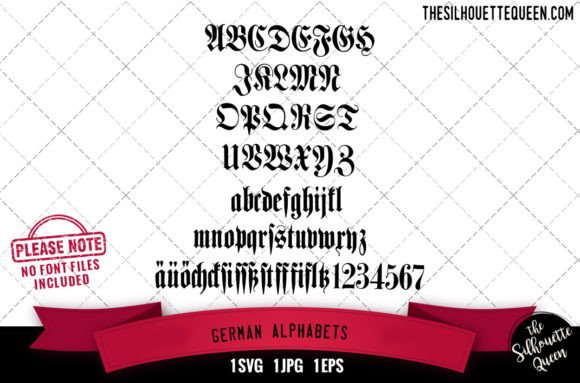
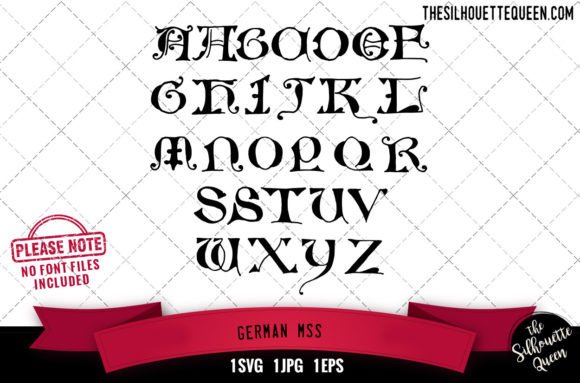
The visual personality of these letters is immediately striking. The arabesque curves suggest movement and flow, while the structural integrity of the Germanic influence keeps them grounded. When I imagine stitching this out, I am thinking less about modern minimalism and more about boutique branding, heirloom gifts, and high-end custom apparel. It creates an immediate sense of value. A customer seeing this stitched onto a tote bag or a baby blanket instantly perceives the item as special, not mass-produced. The design assets included—specifically the EPS, PNG, and SVG files—offer flexibility, though the note that no font files are included means we must treat these strictly as graphical elements rather than editable typefaces. This distinction is crucial for anyone planning to scale text dynamically within their own software before exporting for machine embroidery.
A Real-World Scenario: The Boutique Tote Bag
To understand the true potential of German Arabesque Alphabets - ABC Letters, let's walk through a practical scenario. Imagine you are preparing inventory for a local craft fair or updating your Etsy shop with a new line of personalized gifts. You decide to create a custom embroidered tote bag featuring a family name or a small business slogan.
I ran a mental simulation of this project. Placing the design on a canvas tote, the intricate details of the arabesque style would catch the light beautifully, adding texture that simple block letters cannot achieve. However, the placement matters. If this were a sweatshirt embroidery project, the design might dominate the chest area, creating a bold statement piece. But for a tote bag, it serves as a sophisticated focal point. The finished product would likely command a higher price point because the visual complexity suggests hours of careful labor. Customers browsing handmade products are often drawn to designs that tell a story, and this alphabet tells a story of European elegance and attention to detail.
Furthermore, consider the versatility for holiday gifts. During the winter season, using these letters for monogrammed kitchen towels or pillow covers could transform a standard household item into a cherished keepsake. The design fits the "Crafts" category perfectly, bridging the gap between digital graphics and tangible, tactile goods. Whether you are selling small shop products or creating items for your own brand consistency, this design adds a layer of professionalism that generic fonts often lack.
Performance on Fabric and Stitch Density
In my experience evaluating a machine embroidery design, the devil is always in the stitch density and how the lines interact with the fabric texture. The German Arabesque Alphabets - ABC Letters features a mix of fine lines and decorative flourishes. This means that when converting this to a physical object, the choice of thread colors becomes critical. High contrast is essential here. On dark fabric, a white or silver thread might make the delicate curves pop, but on a light background, you need a deep, rich color to ensure the details don't get lost in the weave.
If you are working with a satin stitch approach, the sharp corners of the letters will need enough underlay to prevent puckering. For fill stitch areas, the density must be balanced so that the fabric doesn't become too stiff, which is particularly important for baby clothes or soft apparel like t-shirts. I found that this design works exceptionally well for applique design techniques as well, where the outline is stitched first, and the interior is filled or left open for a different fabric. This technique can enhance the dimensional quality of the arabesque patterns, making them stand out even more against the base material.
However, there are limitations. The design includes detailed corners and potentially tiny lettering if scaled down too much. In situations involving small hoop sizes, such as embroidery on a cap or a small patch, some of the finer arabesque flourishes might disappear or merge together during the stitching process. Similarly, on stretchy fabrics like jersey knits, the tension required to hold these intricate shapes could cause distortion if proper stabilizer isn't used. For curved surfaces like caps, the design might need significant reshaping to follow the curvature without looking warped.
Where to Use (and Where to Pause)
While German Arabesque Alphabets - ABC Letters is a powerful tool for embroidery project development, it requires strategic application. It is ideal for durable items that benefit from a premium look: aprons, heavy-duty tote bags, denim jackets, and home decor like blankets or wall hangings. These items provide a stable canvas that can support the design's complexity.
Conversely, there are places where caution is advised. Avoid using this for very small details on children's wear unless the child is older and the garment is made of a sturdy cotton blend. Thin fabrics, such as sheer silks or lightweight linens, may not support the density of the stitches required for the arabesque curves without tearing or showing excessive puckering. Additionally, for products that need frequent washing, like everyday kitchen towels, ensure that the stitch count is optimized to prevent fraying over time. Dense stitch areas on dark fabric can sometimes trap lint or show thread breaks more easily, so a final inspection of the finished product is non-negotiable.
Practical Notes for Designers and Sellers
Before committing to a full production run or listing a custom apparel item on your platform, there are several steps every professional should take. First and foremost, test the design on scrap fabric. This allows you to verify the stitch density and see exactly how the thread colors interact with your chosen material. Do not assume the digital preview matches the physical result perfectly.
Check the hoop size compatibility. Since the package includes 1 EPS file, 1 PNG file, and 1 SVG file, you have excellent options for resizing, but remember that scaling down too far will compromise the integrity of the arabesque details. If you are unsure about the specific stitch count or machine compatibility, consult the source documentation, as these technical specifics are vital for avoiding needle breakage or thread jams.
For those running a craft business or operating as an Etsy seller, consider creating printable mockups to visualize the design on various products. This helps in marketing the finished product effectively. Also, review the licensing terms carefully. While the files are provided for use, confirm whether you are allowed to sell the finished physical items or if there are restrictions on using the digital file itself for commercial purposes. Confirming these details protects your reputation and ensures you are building a sustainable small shop product line.
Finally, inspect the small details closely. The beauty of German Arabesque Alphabets - ABC Letters lies in its intricacy, but if the outer edges are jagged or the inner loops are too tight, the design will fail in execution. Compare light and dark fabric backgrounds in your mockups to ensure the design remains legible and attractive across different product variations. By taking these precautions, you ensure that your handmade product maintains the high standards your customers expect.
Ultimately, this design offers a unique opportunity to elevate your embroidery portfolio. It strikes a balance between artistic flair and structural clarity, making it a valuable asset for any designer looking to add a touch of classic elegance to their collection. Whether you are creating a personalized gift for a friend or developing a line of boutique branding materials, German Arabesque Alphabets - ABC Letters provides the visual foundation needed to create something truly memorable.