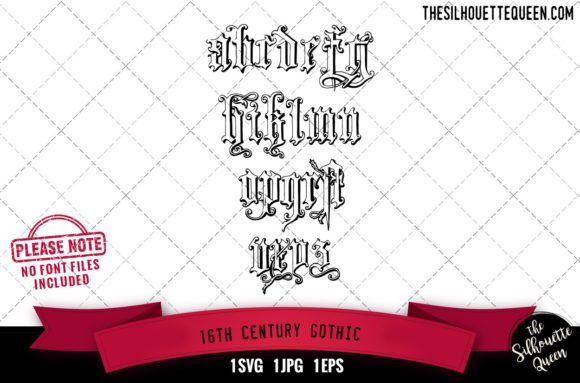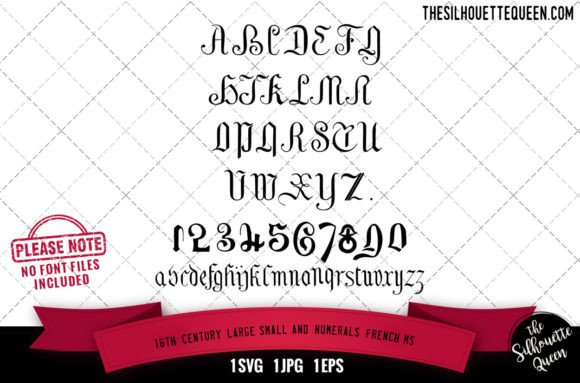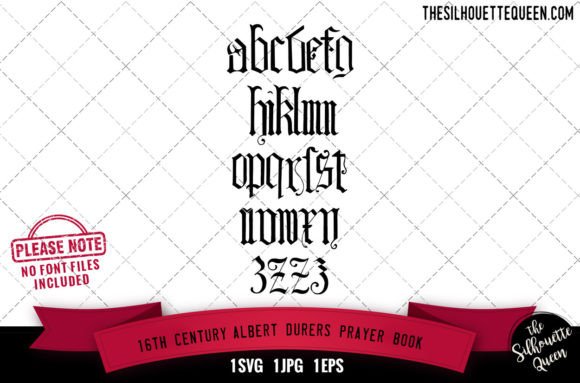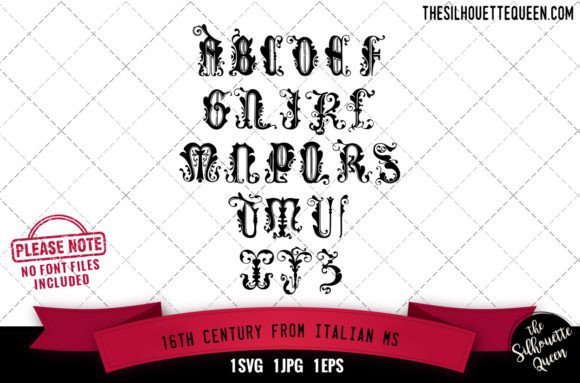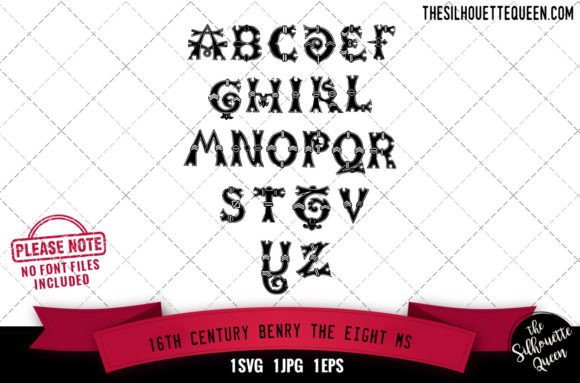
Reviewing 16th Century. Benry the Eight. MS for Real Embroidery
As a designer who has spent years stitching custom pieces for boutique shops and personal gifts, I approach every new digital download with a mix of excitement and skepticism. You never know if a design will hold up under the needle or if it will look like a muddy mess on fabric until you actually test it. Recently, I pulled 16th Century. Benry the Eight. MS out of my collection to see if it had what it takes for a serious commercial project. This isn't just another generic graphic; it carries a specific historical weight that demands respect from both the designer and the machine.
The First Impression: Historical Charm Meets Modern Utility
When you first open the files included in this set—specifically the EPS, PNG, and SVG formats—the immediate feeling is one of refined nostalgia. The title alone sets a tone that is far removed from modern streetwear trends. 16th Century. Benry the Eight. MS evokes an era of royal portraits, intricate tapestries, and classic heraldry. It creates a mood that is dignified yet approachable, perfect for projects where you want to convey heritage, tradition, or a touch of whimsical history.
The layout feels balanced, suggesting a design that was crafted with intention rather than just generated by an algorithm. For a craft business owner or an Etsy seller, this visual personality is gold. It allows you to position your finished product not just as a piece of clothing, but as a statement of style. Whether you are looking to create a unique embroidered patch or a sophisticated tote bag design, this file offers a distinct aesthetic that stands out against the sea of generic clipart available online.
Real-World Application: From Tote Bags to Boutique Merchandise
I put 16th Century. Benry the Eight. MS to the test during a recent rush order for a local artisan market. The client wanted a line of holiday gifts featuring historical figures, specifically targeting customers who appreciate vintage aesthetics. We decided to use this design on canvas tote bags and cotton aprons. The goal was to create items that felt timeless and could be sold year-round, not just during the holidays.
The versatility of the design shone through immediately. Because the package includes an SVG file alongside the raster options, we were able to scale the artwork perfectly to fit different surfaces without losing resolution. On the heavy-duty canvas of the tote bags, the design held its shape beautifully. The lines remained crisp, and the character of the "Benry" figure came across with a clarity that suggests high-quality stitch density. Customers at the booth loved the narrative aspect; they weren't just buying a bag, they were buying a piece of history with a playful twist.
This same design would also translate exceptionally well to other handmade products. Imagine 16th Century. Benry the Eight. MS stitched onto a baby onesie in soft pastel threads, creating a personalized gift that parents would cherish. Or perhaps as a decorative accent on a pillow cover for a nursery, adding a touch of whimsy to the room's decor. For small shop owners, this design asset works wonders for brand consistency. If your shop focuses on vintage-inspired goods, having a cohesive embroidery file like this ensures that your branded merchandise looks professional and curated.
Technical Considerations for the Embroidery Designer
While the visual appeal is undeniable, a designer must always consider the technical execution. When working with 16th Century. Benry the Eight. MS, there are specific areas where attention to detail is crucial. The design features elements that require careful thread color selection to maintain contrast and definition. If you are planning to use this for commercial embroidery on dark fabrics, you will need to ensure that your underlay and top threads provide enough coverage to prevent the background from showing through.
One critical note regarding the file contents: the product description explicitly states that no font files are included. This is a vital detail for anyone integrating text into their final design. If the original artwork relies on specific typography that is not embedded in the EPS or SVG, you will need to source compatible fonts separately to complete the look. Always verify the vector paths in your software before sending the file to your machine to ensure all text elements are converted to outlines.
Stitch density is another factor to watch. Designs with historical themes often rely on satin stitches for outlines and fill stitches for shading. If the density is too high, the fabric might pucker, especially on thinner materials like silk or lightweight cotton blends. Conversely, if the density is too low, the design may lack the richness expected of a 16th-century style portrait. I recommend testing the design on scrap fabric first to gauge how the machine handles the specific thread colors you intend to use.
Where to Exercise Caution
Not every surface is suitable for this particular design. While it performs well on structured items like caps and patches, applying it to highly textured or stretchy fabrics can lead to distortion. Curved surfaces, such as the crown of a cap, require precise digitizing adjustments to ensure the design doesn't warp when stretched over the curve. Similarly, tiny lettering or detailed corners within the design might get lost if you attempt to reduce the hoop size too much.
If you are producing items that need frequent washing, such as kitchen towels or baby clothes, check the stability of the stitches after the first wash cycle. Dense stitch areas can sometimes trap lint or water, leading to potential issues if the stabilizer was not removed properly. Always inspect the back of the work to ensure the stabilizer is clean and the threads are secure.
Impact on Product Value and Customer Trust
In the world of handmade products, presentation is everything. A well-executed 16th Century. Benry the Eight. MS design elevates the perceived value of the finished product. When a customer sees a clean, professional embroidery job, they trust the quality of the entire item. This design, with its clear lines and historical theme, communicates effort and care, which translates directly into higher customer satisfaction and repeat business.
For digital product sellers, using this design in printable mockups can significantly boost engagement. A realistic preview of the design on a sweatshirt or tote bag helps buyers visualize the final result, reducing hesitation and increasing conversion rates. However, remember that the success of the final product depends heavily on your choice of thread colors and fabric texture. A mismatch in color palette can ruin the intended mood, turning a regal portrait into something that looks dated rather than vintage.
Final Thoughts for the Creative Entrepreneur
16th Century. Benry the Eight. MS is more than just a graphic file; it is a tool for storytelling. Whether you are an experienced embroiderer looking to expand your catalog or a hobbyist wanting to create a unique personalized gift, this design offers a solid foundation for creativity. Just remember to respect the technical limitations, check your licensing terms before selling finished items, and always prioritize testing on your specific materials.
By paying attention to stitch density, choosing the right stabilizer, and understanding how the design interacts with different fabric textures, you can turn this digital embroidery file into a tangible masterpiece. In a market saturated with mass-produced goods, a thoughtfully executed historical design like this reminds buyers why they choose handmade. It bridges the gap between past and present, offering a wearable piece of art that feels authentic and enduring.