Engraving Mediaeval Goldsmith Review for Real Embroidery
When I first opened the Engraving Mediaeval Goldsmith design file, my immediate reaction wasn't about the stitch count or the technical specs. It was about the atmosphere. There is a specific weight to this piece that feels like stepping into a quiet, candlelit workshop from centuries past. As someone who has spent years evaluating digital assets for actual client work and personal craft projects, I look for designs that do more than just fill space; they need to tell a story. This Graphics asset delivers exactly that kind of narrative depth, making it a compelling choice for anyone looking to elevate their embroidery project beyond standard logos or simple text.
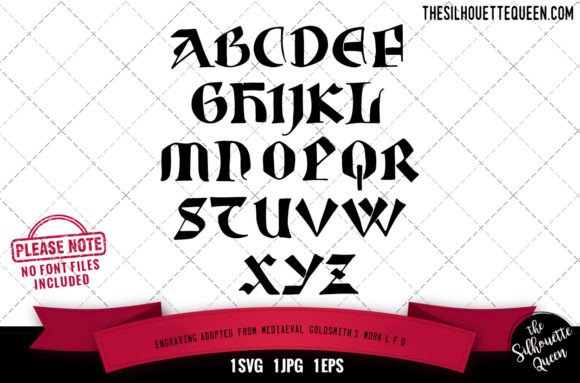
The visual personality of Engraving Mediaeval Goldsmith suggests a history of craftsmanship. The intricate lines and the classic engraving style evoke a sense of permanence and quality. When I imagine placing this on a finished product, it doesn't feel like a temporary trend. Instead, it feels like a heritage mark. For a small business owner or an Etsy seller, this distinction is everything. Customers today are increasingly drawn to items that feel authentic and hand-crafted with intention. A design like this signals that the maker cares about detail, which naturally builds trust and allows you to command a higher price point for your handmade product.
Putting It to the Test: A Real-World Scenario
To truly understand how Engraving Mediaeval Goldsmith performs, I had to move past the screen and think about physical application. Let's say I am preparing a custom order for a boutique coffee shop owner who wants to brand their new line of kitchen towels and aprons. They want something that reflects the artisanal nature of their roasting process but avoids the cliché of generic coffee beans or mugs.
I pulled up the files included in this download: one EPS, one PNG, and one SVG. The variety here is practical because it gives me flexibility depending on whether I am printing a mockup for their approval or setting up the digitization for the machine. In this scenario, I would choose to place Engraving Mediaeval Goldsmith on the chest area of a heavy-duty canvas apron. The engraving style translates beautifully to the texture of thick cotton duck fabric. The sharp lines of the engraving would catch the light differently than a solid block of color, adding a tactile dimension to the garment that customers can feel.
Imagine the customer opening the package. They see the towel or apron, and there is the goldsmith motif stitched in high contrast thread. It looks professional, timeless, and expensive. That is the kind of finished product that gets shared on social media, driving organic traffic back to the shop. If I were using this for a tote bag design, the effect would be similar. A simple canvas tote becomes a statement piece when adorned with such a detailed historical theme. It transforms a basic utility item into a conversation starter, which is exactly what a savvy Etsy seller needs to differentiate their small shop product from mass-produced alternatives.
Navigating Technical Challenges
However, not every surface is created equal, and Engraving Mediaeval Goldsmith requires a bit of strategic planning to ensure it stitches as well as it looks. The design features fine details that define its character, but those same details can be tricky on certain materials. If I were attempting to use this on a stretchy fabric like a thin t-shirt or a fitted cap, I would proceed with extreme caution. The tension required to hold down dense stitch areas could cause the fabric to pucker, distorting the delicate lines of the engraving.
For curved surfaces like baseball caps, the curvature of the panel might make the smaller details of the design hard to read once stitched. Similarly, if the fabric texture is too coarse, like a rough burlap or a heavily distressed denim, the fine lines of the engraving might get lost in the weave. In these cases, the design might lose its impact, turning a sophisticated image into a muddy blob. It is crucial to test the design on scrap fabric first to check the stitch density. You want to ensure that the threads lay flat without gaps, especially in the intricate corners where the engraving style converges.
Another factor to consider is the background fabric. Because this design relies on line work rather than massive blocks of fill, it needs strong contrast. On dark fabric, a light thread will pop, but on light fabric, you might need a darker thread to maintain the definition of the lines. I also recommend checking the hoop size carefully. While the design likely scales well, trying to fit a complex engraving into a very small hoop can result in a loss of clarity. If the final output needs to be tiny, the fine details might become indistinguishable, defeating the purpose of choosing such a detailed aesthetic.
Practical Notes for the Modern Maker
As we discuss the integration of Engraving Mediaeval Goldsmith into your workflow, it is important to remember that the success of the final piece often comes down to preparation. Before running a full production batch for a commercial embroidery job, always run a test sample. This step saves money and protects your reputation. Inspect the small details closely under good lighting to ensure no stitching errors have occurred. Sometimes, a single missed jump stitch can ruin the illusion of a seamless engraving.
You should also verify the file formats provided. The inclusion of EPS, PNG, and SVG files is excellent for versatility. The SVG is perfect for direct machine input or scaling for different applications, while the PNG serves well for creating printable mockups to show clients before they commit. However, please note that no font files are included. If your project involves integrating text alongside this graphic, you will need to source your own typography that matches the medieval or vintage aesthetic. Mixing a modern sans-serif font with this classic engraving style could create a jarring visual clash.
When selecting your thread colors, stick to palettes that complement the mood. Metallic threads might add a nice touch to the "goldsmith" aspect, but be wary of using them in tight areas where they might snag or break. Standard polyester or rayon threads usually offer the best balance of sheen and durability for this type of design. Don't forget the stabilizer. For a design with this level of detail, a cut-away stabilizer is often the safest bet to prevent distortion during washing and wear, ensuring your custom apparel lasts as long as the design implies it should.
Finally, consider the licensing terms before selling any items made with this embroidery file. Even though the category is listed under Crafts and Graphics, commercial rights vary by creator. Confirming whether you are allowed to sell the finished goods or just use them for personal gifts is a critical step for any creative entrepreneur. Assuming you have cleared the legal bases, Engraving Mediaeval Goldsmith stands out as a versatile tool for building a brand identity. Whether you are creating holiday embroidery gifts, baby embroidery for a nursery, or branding for a kitchen towel collection, this design offers a level of sophistication that elevates the perceived value of your work.
In the end, the goal is to create something that feels intentional. Engraving Mediaeval Goldsmith provides the visual anchor needed to turn a simple craft idea into a polished, market-ready item. By understanding its strengths and respecting its limitations regarding fabric and scale, you can leverage this asset to create memorable personalized gifts and professional merchandise that stand the test of time.